

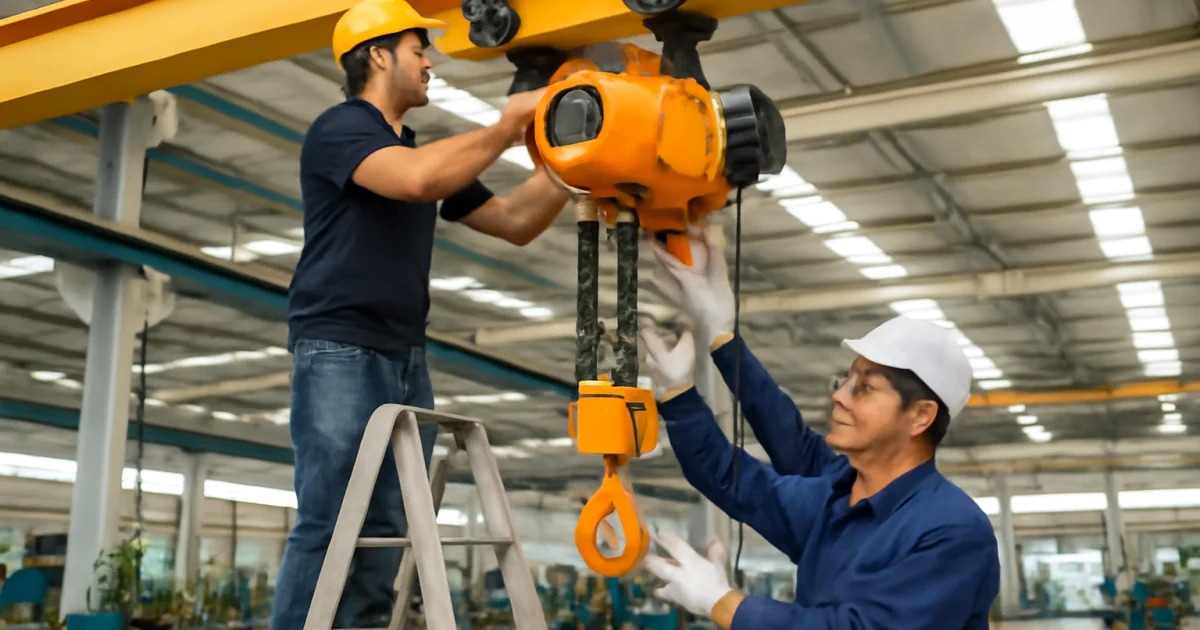
Step-by-Step Tutorial: Installing an Electric Chain Hoist in Malaysian Factories
Electric chain hoists are essential lifting solutions for manufacturing, warehouse, automotive, and industrial facilities across Malaysia. Whether you are upgrading your production line or installing new equipment, understanding the correct installation process is crucial for safety, performance, and regulatory compliance. This step-by-step tutorial is designed for Malaysian factory owners, engineers, and facility managers looking to install an Electric Chain Hoist Malaysia efficiently and safely.
Understanding Electric Chain Hoists: An Overview
Electric chain hoists are motor-driven lifting devices used to raise, lower, and move heavy loads with precision. They are commonly integrated into crane systems, monorails, or fixed points in factories. Key features include robust lifting chains, overload protection, limit switches, and ergonomic controls. Choosing the right model depends on load capacity, lifting height, duty cycle, and operational environment.
- Load Capacity: From 250 kg to several tonnes.
- Lifting Height: Determined by hoist chain length and installation height.
- Mounting Options: Fixed suspension, push trolley, or electric trolley.
- Control System: Pendant control or wireless remote control.
For an in-depth comparison between manual and electric models, see our guide on Manual vs Electric Chain Hoists.
Why Proper Hoist Installation Matters
Incorrect installation of an electric chain hoist can result in excessive wear, operational hazards, and even catastrophic failure. Factories in Malaysia must adhere to strict regulatory requirements set by DOSH (Department of Occupational Safety and Health), and insurance providers often require documented compliance. Proper installation ensures:
- Reliable and smooth lifting operations
- Worker safety and minimized risk of accidents
- Compliance with Malaysian and international standards
- Extended equipment lifespan and reduced maintenance costs
It is vital to involve qualified professionals at each key stage and to use quality components sourced from reputable suppliers.
Step 1: Pre-Installation Planning and Site Preparation
Proper planning sets the foundation for a successful chain hoist installation. Start by reviewing your lifting requirements and site conditions:
- Assessment: Analyze the weight, dimensions, and frequency of loads to be lifted.
- Site Survey: Inspect the installation area for structural integrity. Ensure the supporting beam or crane system meets the required load rating.
- Power Supply: Confirm availability and suitability of electrical supply (typically 415V, 3-phase for industrial hoists in Malaysia).
- Compliance: Review Malaysian safety standards and DOSH (Department of Occupational Safety and Health) requirements.
- Work Permit: Arrange for necessary work permits and engage a professional engineer if required.
Clear the work area and ensure all personnel are briefed on installation procedures and safety protocols.
During planning, consider the following additional factors:
- Access Points: Ensure there is sufficient space for the installation team and equipment to move safely.
- Lighting and Visibility: Good lighting is essential for accurate alignment and assembly.
- Environmental Conditions: Humidity, dust, and temperature can affect hoist performance. Plan for weather protection if installing in partially open facilities.
- Emergency Exits: Confirm that emergency routes remain unobstructed during installation.
Step 2: Unpacking and Inspecting the Electric Chain Hoist
Carefully unpack your electric chain hoist and all accompanying components. Before installation, perform a thorough inspection:
- Check for shipping damage or missing parts.
- Verify the model, capacity, and specifications against your order and application requirements.
- Examine the lifting chain, hooks, and load block for deformation, corrosion, or defects.
- Review the manufacturer’s installation and operation manual.
Only proceed if all parts are correct and free from visible damage.
It is advisable to document the inspection with photographs, especially if there are any concerns about damage or discrepancies. Keep all packaging and paperwork until the installation is fully complete and tested, as this may be needed for warranty claims or regulatory audits.
Step 3: Installing the Support Structure or Trolley
Your electric chain hoist can be installed in several configurations:
- Fixed Suspension: Directly attached to a beam clamp or suspension point.
- Push Trolley: Allows manual lateral movement along an I-beam.
- Electric Trolley: For powered movement, ideal for overhead crane systems.
For trolleys, assemble and adjust the trolley wheels to fit the beam width securely. Attach the trolley to the beam, ensuring it rolls smoothly and is properly locked in place. Refer to the electric trolley range for compatible options.
Verify beam and suspension point strength using manufacturer guidelines and, if needed, consult a professional engineer for load certification.
Common mistakes at this stage include incorrect trolley assembly, using undersized clamps, or neglecting to check the tightness of fasteners. Always double-check these elements before proceeding to the next step.
Step 4: Mounting the Electric Chain Hoist
With the support structure or trolley in place, mount the electric chain hoist as follows:
- Lift the hoist using a suitable lifting device. Never use the chain hoist itself to lift during installation.
- Securely attach the hoist hook or suspension lug to the trolley or beam clamp.
- Ensure the hoist is level and the chain hangs vertically without twists.
- Double-check all locking mechanisms and fasteners for tightness.
For installations involving overhead cranes, ensure the hoist is compatible with the crane rail and trolley system. To learn about different crane systems in Malaysia, visit our Jib Cranes Malaysia guide.
If possible, have a second person check the mounting alignment. Improper alignment can cause uneven chain wear and increase the risk of operational failure. Also, ensure the hoist’s controls are positioned for safe and convenient access by the operator.
Step 5: Electrical Connection and Safety Checks
Connect the electric chain hoist to the factory’s electrical supply:
- Follow the wiring diagram provided by the manufacturer.
- Use only qualified electricians for power connections.
- Install proper circuit protection (circuit breakers, fuses, and earth leakage protection).
- Check the hoist’s grounding and earthing to prevent electric shock.
- Test pendant controls or remote systems for correct operation and emergency stop function.
Ensure all safety devices, such as upper and lower limit switches, are functioning correctly. Conduct a trial run without load to observe travel direction, speed, and brake operation.
Some Malaysian factories also install power isolators and lockout-tagout (LOTO) mechanisms to further enhance electrical safety. Consult your facility’s safety policy and follow best practices for electrical work in industrial environments. Record all electrical work in your maintenance log.
Step 6: Load Testing and Commissioning
Before putting the hoist into full operation, complete the following commissioning steps:
- No-Load Test: Run the hoist through its full range of motion to ensure smooth operation.
- Load Test: Test the hoist with a load not exceeding the rated capacity, as required by Malaysian regulations. Observe for abnormal noises, vibrations, or irregularities.
- Certification: If necessary, engage a certified professional engineer for load testing and documentation according to DOSH requirements.
- Labeling: Affix load rating plates and safety instructions in a visible location near the hoist.
Document all checks, test results, and certifications for future reference and compliance audits.
As part of best practices, keep a commissioning checklist. This should include dates, names of responsible personnel, load test results, safety checks performed, and any observations or corrective actions. Retain this documentation for at least as long as the hoist remains in service.
Step 7: Operator Training and Preventive Maintenance
Proper operator training is vital for safe and efficient hoist use. Provide comprehensive training on:
- Hoist controls and functions
- Load handling techniques
- Emergency procedures
- Daily inspection routines
Implement a preventive maintenance program including:
- Regular lubrication of moving parts
- Inspection of chains, hooks, brakes, and electrical components
- Scheduled servicing by qualified technicians
For ongoing support, consider a service contract with a trusted local provider. Find out more in our article on crane maintenance checklists.
Establish a maintenance log for each hoist, recording all inspections, servicing, and repairs. This helps with compliance and ensures any emerging issues are detected early. Review the manufacturer’s service recommendations and follow Malaysian statutory requirements for periodic inspections and load testing.
Common Installation Mistakes and How to Avoid Them
- Insufficient Load Rating: Using beams or suspension points that are not rated for the hoist’s capacity can lead to structural failure. Always verify ratings with a qualified engineer.
- Poor Alignment: Misaligned hoists cause uneven chain wear and stress on components. Double-check alignment before final tightening of fasteners.
- Neglecting Electrical Safety: Failure to ground the hoist or install proper circuit protection can result in severe electrical hazards.
- Skipping Load Testing: Bypassing the load testing phase can lead to undetected faults.
- Inadequate Training: Operators not trained in safe use and emergency procedures increase accident risk.
Develop a pre-installation checklist for your team to ensure all steps are completed and verified before commissioning.
Enhanced Safety: Malaysian Regulatory Considerations
Malaysian law requires that lifting equipment installations comply with the Occupational Safety and Health Act (OSHA) and Factory and Machinery Act (FMA). Some key regulatory considerations include:
- Registration of lifting machines with DOSH
- Obtaining a Certificate of Fitness before use
- Periodic inspections and recertification (typically every 12 months)
- Mandatory operator training and competency assessment
- Display of load rating and safety instructions at the installation site
Engaging with a local supplier who understands these requirements can streamline the approval process and reduce the risk of costly delays or penalties.
Practical Example: Installing an Electric Chain Hoist in a Malaysian Automotive Plant
Let’s consider a real-world scenario. An automotive parts manufacturer in Selangor needed to install a 2-ton electric chain hoist for their stamping line. The project team:
- Surveyed the workspace and determined the best beam location.
- Selected an electric trolley for flexibility across the production bay.
- Coordinated electrical installation and ensured all wiring met Malaysian standards.
- Completed no-load and load testing, obtaining a professional engineer certificate for compliance.
- Trained operators and scheduled quarterly maintenance with a specialist.
The result was efficient, safe vertical lifting and improved workflow, with minimal downtime during installation.
In another example, a logistics company in Penang upgraded its warehouse with several electric chain hoists to handle palletized loads. By working closely with a local supplier, they ensured beam reinforcements were completed before installation, reducing the risk of structural issues. After commissioning, the facility reported improved safety and a 30% increase in daily throughput due to faster and safer material handling.
Comparison: Electric Chain Hoists vs. Manual Hoists in Malaysian Factories
While manual hoists are suitable for occasional, light-duty lifting, electric chain hoists offer significant advantages in factory environments:
- Speed: Electric hoists can complete lifting operations much faster than manual models, reducing production bottlenecks.
- Consistency: Motorized operation ensures uniform lifting, minimizing operator fatigue and error.
- Safety: Overload protection, emergency stops, and precise controls reduce the risk of accidents.
- Capacity: Electric models can handle heavier loads and longer duty cycles.
- Automation: Integration with cranes and factory systems is easier with electric models, supporting automation initiatives.
For factories looking to improve productivity, investing in electric chain hoists is a cost-effective way to scale operations while maintaining safety and compliance.
Maintenance Checklist for Electric Chain Hoists
- Inspect chains, hooks, and load blocks for wear or deformation
- Check brake function and responsiveness
- Test limit switches and emergency stop features
- Lubricate moving parts as per manufacturer guidelines
- Inspect electrical wiring and connections for signs of damage or overheating
- Verify labeling and rating plates are legible and present
- Record all maintenance activities in the logbook
Conclusion: Ensuring Safe and Compliant Electric Chain Hoist Installations in Malaysia
Installing an electric chain hoist in a Malaysian factory requires careful planning, technical know-how, and strict adherence to safety standards. By following this step-by-step guide—from site preparation through to operator training—you can ensure your new hoist delivers reliable lifting performance for years to come.
For expert advice, product selection, and installation support tailored to your facility’s requirements, contact chainhoist.com.my. Explore our full range of chain hoist solutions and compare electric hoists and winches to find the ideal fit for your operation.
Frequently Asked Questions
What are the main safety considerations when installing an electric chain hoist in Malaysia?
The main safety considerations include ensuring the supporting structure is strong enough for the rated load, proper electrical grounding, installation of overload and limit switches, and compliance with Malaysian DOSH regulations. Regular inspections and professional load testing are also critical.
Can I install an electric chain hoist on an existing overhead crane system?
Yes, electric chain hoists are often integrated with existing overhead crane systems, provided the crane and trolley are compatible with the hoist’s capacity and suspension method. Always verify compatibility and consult with a qualified technician or engineer before installation.
How often should an electric chain hoist be inspected or serviced?
Inspections should be carried out daily by operators, with more detailed servicing and preventive maintenance scheduled monthly or quarterly, depending on usage. Annual inspection and load testing by a certified professional are recommended to ensure compliance and safety.
What is the difference between an electric chain hoist and an electric wire rope hoist?
An electric chain hoist uses a load chain for lifting and is suited for lower to medium capacities, while an electric wire rope hoist uses a wire rope, making it more suitable for higher capacities and longer lifts, especially in overhead crane applications. Both can be used in Malaysian industrial environments, but selection depends on load, height, and operational requirements.
Do I need a professional engineer’s certification to operate a newly installed electric chain hoist in Malaysia?
For most industrial applications, especially where hoists are lifting loads above certain capacities or are used in critical operations, Malaysian regulations require load testing and certification by a professional engineer before the equipment is put into service.
Get Expert Electric Chain Hoist Installation and Support in Malaysia
Ready to upgrade your factory with a reliable electric chain hoist? The experienced team at chainhoist.com.my offers complete solutions—including equipment supply, installation, commissioning, maintenance, and safety training—for all types of hoists, cranes, and material handling systems. Ensure your next installation meets Malaysian standards for efficiency and safety.
Contact us today for a tailored consultation!