

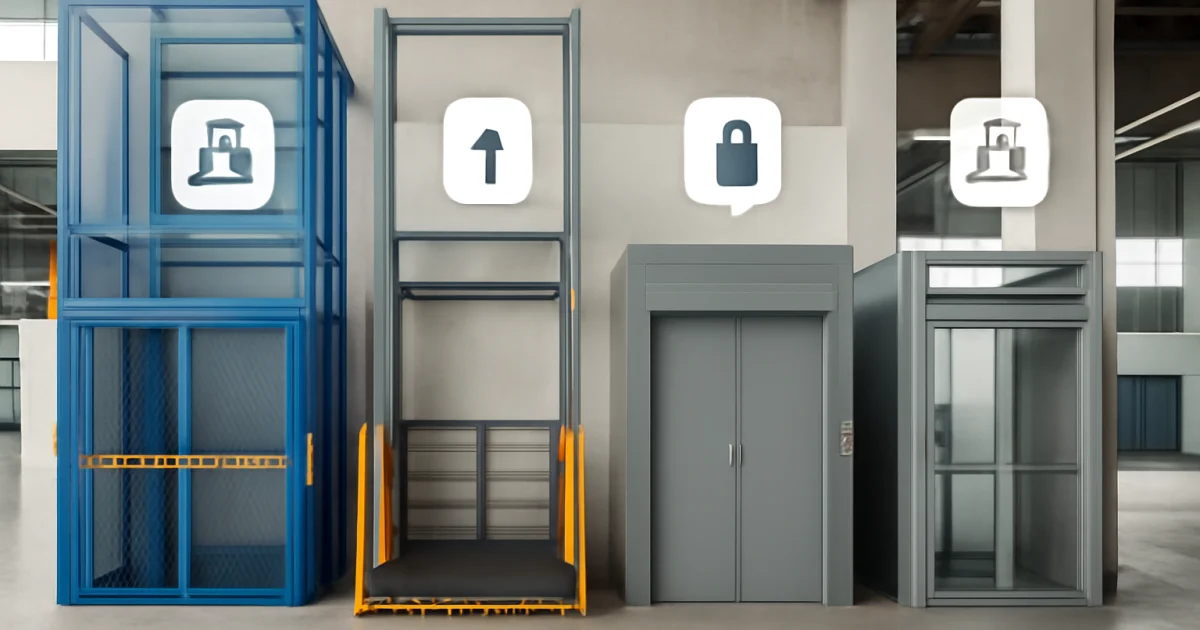
Beginner’s Guide: Choosing the Right Goods Hoist for Your Malaysian Business
Efficient material handling is a cornerstone of productivity in Malaysia’s warehouses, distribution centres, commercial buildings, and industrial sites. If your business needs to move goods vertically—between floors, mezzanines, or storage areas—a goods hoist can be an essential solution. But with multiple types, capacities, and features available, how do you select the right one? This comprehensive beginner’s guide breaks down everything you need to know to choose a goods hoist that fits your Malaysian business perfectly. For readers comparing options, Goods Hoist Malaysia is the main topic this guide explains.
What Is a Goods Hoist? Understanding the Basics
A goods hoist is a mechanical lifting system designed specifically for moving materials, products, or equipment vertically between different building levels. Unlike passenger lifts, goods hoists are engineered for robust, heavy-duty use in industrial and commercial environments, such as warehouses, factories, and construction sites. They are sometimes called cargo lifts, freight lifts, or material hoists.
Common applications include transferring inventory between warehouse floors, moving machinery in manufacturing plants, and supporting construction projects where manual handling would be unsafe or impractical. Whether you need to move pallets, heavy equipment, or bulk goods, a well-chosen goods hoist streamlines operations and reduces workplace risks.
How does a goods hoist actually work? Most systems feature a hoist mechanism (chain or wire rope), a motor or hydraulic actuator, a guided platform or cage, and control panels at each landing. Modern systems include safety interlocks and sensors to prevent misuse or accidents. Depending on the model, goods hoists can be built for indoor or outdoor use, and can be custom-sized for unique building layouts or load types.
Why Choosing the Right Goods Hoist Matters
Selecting an unsuitable goods hoist can lead to operational delays, increased maintenance costs, safety incidents, or even legal issues. The right system ensures:
- Safe lifting of required loads
- Compliance with Malaysian safety standards
- Reliable performance and reduced downtime
- Long-term cost savings
Considering the growing logistics and manufacturing sectors in Malaysia, it’s vital for businesses to invest in goods hoists that align with their needs and safety requirements.
Real-world impacts of a poor choice: For example, a warehouse that underestimates its load requirements may end up with a hoist that frequently breaks down or causes workflow bottlenecks. Conversely, over-specifying capacity leads to unnecessary costs and wasted energy. Safety oversights can result in fines or, worse, workplace injuries.
Types of Goods Hoists Used in Malaysia
Understanding the main types of goods hoists helps you narrow down your options. Here are the most common systems:
- Electric Chain Hoists: Compact and widely used in workshops, light industrial settings, and commercial buildings. Ideal for lighter loads and frequent use. Learn more about chain hoists.
- Electric Wire Rope Hoists: Designed for higher capacities and greater lifting heights, often integrated into cranes or large-scale operations. They offer smooth, precise lifting for heavy-duty applications.
- Rack & Pinion Hoists: Commonly used in construction, these hoists travel on a mast structure and handle heavy loads over great heights.
- Goods Lifts with Enclosures: Feature enclosed cabins or cages, providing extra safety for the load and operators. Suitable for warehouses or buildings where goods and personnel are separated.
- Scissor Lifts: Hydraulic platforms for shorter vertical transportation, often used for loading/unloading or maintenance access within facilities.
Each type has unique strengths, so matching the system to your operational needs is crucial.
Comparison Table: Chain Hoist vs. Wire Rope Hoist
| Feature | Electric Chain Hoist | Electric Wire Rope Hoist |
|---|---|---|
| Capacity Range | Up to 5 tonnes | Up to 50 tonnes |
| Best For | Frequent, light loads | Heavy-duty, high lifts |
| Maintenance | Simple, low cost | More complex, higher cost |
| Installation | Flexible, quick | Requires more planning |
Key Factors to Consider When Selecting a Goods Hoist
Before making a decision, evaluate these important criteria:
- Load Capacity: Calculate the maximum weight and size of materials to be lifted, plus any additional handling equipment or pallets.
- Lifting Height: Determine the vertical distance between loading and unloading points. Some hoists are limited in lift height.
- Frequency of Use: Heavy-duty hoists are required for frequent, continuous operation, while lighter-duty models suit occasional use.
- Available Space: Assess shaft, pit, and headroom requirements. Some systems need less installation space than others.
- Speed: Faster hoists improve workflow but may cost more or require advanced controls.
- Power Supply: Ensure your facility’s electrical system matches the hoist’s requirements (single-phase or three-phase power).
- Safety Features: Look for overload protection, emergency stop, safety interlocks, and compliance with Malaysian safety regulations.
- Budget: Factor in purchase, installation, commissioning, and long-term maintenance costs.
Consulting with a trusted goods hoist supplier in Malaysia can help clarify these points and provide tailored recommendations.
Pro Tip: Create a checklist of your requirements (load, height, frequency, space, budget, and safety). Share this checklist with your hoist supplier to streamline the selection process and avoid costly specification errors.
Step-by-Step Process: How to Select the Ideal Goods Hoist
- Assess Your Loads: Document typical and maximum loads, shapes, and handling equipment.
- Map Vertical Paths: Measure the heights and note any obstacles or special building features.
- Understand Operational Needs: Will the hoist run all day, or only occasionally? Is speed a priority?
- Evaluate Space and Access: Check shaft width, pit depth, headroom, and installation logistics.
- Research Hoist Types: Compare chain, wire rope, rack & pinion, and other solutions in terms of capacity, speed, and suitability.
- Review Compliance: Confirm that any shortlisted hoists meet Malaysian DOSH and building code requirements.
- Request Quotations & Site Visits: Get detailed proposals from reputable suppliers and ask for on-site assessments.
- Plan for After-sales Support: Consider availability of maintenance, spare parts, and emergency service.
This structured approach helps avoid common mistakes, like underestimating ceiling height or forgetting about future expansion needs.
Practical Examples: Choosing the Right Hoist for Different Sectors
Here are common scenarios and the types of goods hoists that best suit them:
- Warehouses & Distribution Centres: Require robust electric chain hoists or goods lifts with enclosures for safe multi-level pallet movement. These systems facilitate high-volume handling and integrate easily with racking systems.
- Commercial Buildings: Often use compact goods lifts with safety cages to move supplies, equipment, or maintenance materials between floors without interfering with passenger lifts.
- Construction Sites: Prefer rack & pinion or heavy-duty wire rope hoists for transporting building materials, tools, and equipment up scaffolding or unfinished structures.
- Industrial & Manufacturing Facilities: Need high-capacity electric wire rope hoists for lifting heavy machinery or components, sometimes combined with overhead crane systems for horizontal movement.
For more detailed comparisons between crane types, see our article Overhead Crane Malaysia Vs Monorail Crane Malaysia.
Example Scenario: Upgrading a Logistics Centre
A logistics company in Selangor needs to move 1.5-tonne pallets between three mezzanine levels, 10 times per hour. After a site assessment, the supplier recommends a 2-tonne electric chain hoist with an enclosed lift cage and advanced safety features. The system is integrated with the existing conveyor network for seamless pallet transfer, reducing manual handling and injury risk.
Common Mistakes to Avoid When Choosing a Goods Hoist
- Overlooking future growth: Installing a system that only meets current needs may result in expensive upgrades later. Always factor in projected growth for load and throughput.
- Ignoring maintenance needs: Not considering the availability of spare parts or local service can lead to excessive downtime.
- Neglecting safety compliance: Failing to meet DOSH standards exposes your business to liability and legal penalties.
- Underestimating installation complexity: Some hoists require structural reinforcement or custom design. Overlooking these needs delays projects and increases costs.
Avoiding these pitfalls ensures a smoother, more cost-effective installation and long-term operation.
Checklist: Preparing for Your Goods Hoist Project
- Define your load requirements (weight, size, frequency)
- Measure all vertical travel heights and shaft dimensions
- Identify power supply and backup systems
- Allocate budget for purchase, installation, and future maintenance
- Verify compliance with Malaysian regulations
- Schedule a site survey with your supplier
- Plan for operator training and routine maintenance
Having this checklist ready will speed up supplier consultations and help you avoid missed details.
Safety & Regulatory Compliance in Malaysia
Malaysian businesses must comply with Department of Occupational Safety and Health (DOSH) standards and relevant building codes when installing and operating goods hoists. Key safety considerations include:
- Routine inspections, maintenance, and certification by qualified professionals
- Operator training to ensure proper use
- Installation of safety interlocks, emergency stop buttons, and overload prevention systems
- Clear signage and operating instructions near the hoist
Working with an experienced supplier ensures your goods hoist meets all legal and safety requirements, reducing liability and protecting staff.
Understanding DOSH Approval: The Department of Occupational Safety and Health in Malaysia requires all lifting equipment to undergo inspection and approval prior to use. This includes submitting technical drawings, load calculations, and proof of manufacturer compliance. Failure to obtain DOSH approval can result in equipment shutdown and legal penalties.
How to Work with a Goods Hoist Supplier in Malaysia
Choosing the right partner can impact your project’s success. Look for a supplier who offers:
- Comprehensive consultation and site assessment
- Customized design to fit your specific needs
- Installation, commissioning, and after-sales support
- Spare parts availability and 24-hour emergency service
- Operator training and safety certification assistance
chainhoist.com.my provides end-to-end solutions, from concept to commissioning, for all types of goods hoists in Malaysia. Their experienced team helps you navigate technical choices and regulatory requirements, ensuring reliable performance for years to come.
What to expect from a professional supplier: Detailed site surveys, accurate quotations, transparent timelines, and comprehensive handover documentation. Good suppliers also advise on future upgrades and provide ongoing technical support, helping you maximize your investment.
Installation, Maintenance, and Upgrading: What to Expect
After choosing your goods hoist, professional installation is essential. The process typically involves:
- Site preparation: Ensuring the structure can support the hoist and that all utility connections are ready
- Equipment installation: Assembling, mounting, and connecting mechanical and electrical components
- System testing: Verifying safe operation and performance to specification
- Operator training: Teaching staff how to use the system safely and efficiently
Regular maintenance—such as inspections, lubrication, and part replacement—prevents breakdowns and extends equipment life. Upgrading older hoists with modern controls, safety devices, or increased capacity can offer a cost-effective alternative to complete replacement. Leading suppliers like chainhoist.com.my also offer refurbishment and upgrading services tailored to your facility’s needs.
Maintenance Checklist:
- Inspect mechanical components for wear and lubrication
- Test safety features (emergency stops, limit switches, overload devices)
- Check control panels and wiring for damage or faults
- Keep a maintenance log for compliance and warranty validity
- Schedule periodic professional servicing
Proactive maintenance and timely upgrades not only extend the lifespan of your goods hoist but also ensure compliance with evolving safety standards.
Conclusion: Make Your Material Handling Safer and Smarter
Choosing the right goods hoist is a strategic investment in your Malaysian business’s safety, efficiency, and productivity. By understanding the types of hoists available, carefully assessing your operational requirements, and working with a reputable supplier, you can ensure a solution that delivers long-term value and peace of mind.
Ready to take the next step? Contact a trusted goods hoist specialist to discuss your project and receive expert guidance tailored to your business environment.
Frequently Asked Questions
What is the difference between a goods hoist and a passenger lift?
A goods hoist is designed specifically for transporting materials and cargo, not people. It is built for durability, higher load capacities, and industrial use. Passenger lifts, meanwhile, are made for safely moving people and must comply with more stringent comfort and safety standards for human passengers.
How do I determine the right capacity for my goods hoist?
Start by identifying the heaviest load you expect to lift, including the weight of pallets or containers. Add a safety margin (usually 10–25%) to account for unexpected increases. Consulting with an experienced goods hoist supplier in Malaysia ensures you select a system that matches your operational needs and complies with safety regulations.
Are electric chain hoists or wire rope hoists better for warehouses?
Electric chain hoists are ideal for lighter, frequent lifts and are popular in warehouses due to their compact size and ease of installation. Electric wire rope hoists offer higher capacities and smoother operation for heavier or larger loads, making them better for demanding warehouse or industrial environments. The choice depends on your typical load weights and operational frequency.
What safety features should a goods hoist in Malaysia include?
Important safety features include overload protection, emergency stop buttons, safety interlocks, limit switches, and compliance with Department of Occupational Safety and Health (DOSH) regulations. Always ensure operators are trained, and the hoist is regularly inspected and maintained.
Can I upgrade or refurbish an existing goods hoist instead of replacing it?
Yes, many older goods hoists can be upgraded or refurbished to improve performance, safety, and efficiency. This may include installing modern controls, new safety devices, or increasing lifting capacity. Consult a reputable supplier to assess your existing system and explore cost-effective upgrading options.
Need Expert Goods Hoist Solutions in Malaysia?
Let chainhoist.com.my help you select, install, and maintain the perfect goods hoist system for your business. Our experienced team delivers tailored advice, high-quality equipment, and comprehensive after-sales support—ensuring safe and reliable vertical material handling for warehouses, commercial buildings, and industrial sites across Malaysia. Contact us today for a free consultation and discover how we can move your business forward.