

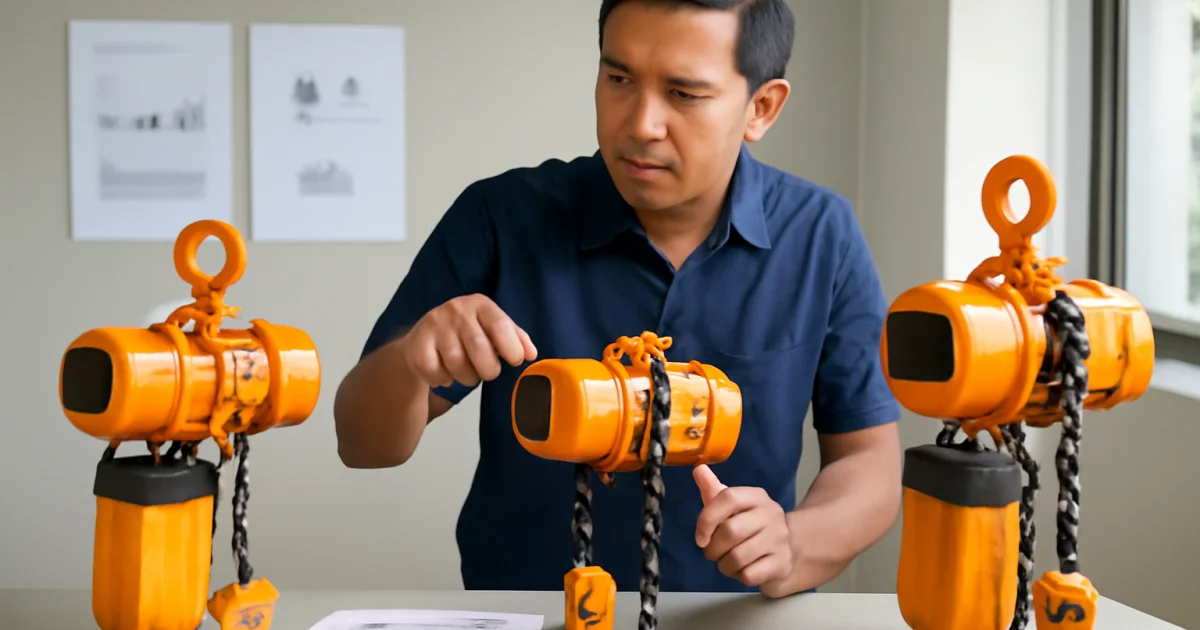
Expert Guide: Selecting the Best Electric Chain Hoist for Your Malaysian Operations
Electric chain hoists are indispensable in Malaysia’s manufacturing, automotive, engineering, and heavy industry sectors. The right hoist delivers not only reliable performance but also ensures operator safety, operational efficiency, and long-term value. However, with a wide array of brands, models, and features available, selecting the best solution for your Malaysian operations requires careful consideration. This guide offers advanced insights, real-world advice, and actionable steps so you can confidently choose the ideal electric chain hoist for your facility. For readers comparing options, Electric Chain Hoist Malaysia is the main topic this guide explains.
Understanding Electric Chain Hoists: Types and Key Functions
Electric chain hoists are designed to lift, lower, and position heavy loads with precision and minimal manual effort. They are powered by electric motors and utilize a chain mechanism for vertical movement. Commonly used in factory production lines, warehouses, automotive assembly, engineering workshops, and construction projects across Malaysia, these hoists are favored for their combination of strength, safety, and operational speed.
There are several electric chain hoist types and configurations, including:
- Stationary Hoists – Fixed in one location, typically above a workstation or production line.
- Movable Hoists – Mounted on trolleys or overhead cranes, allowing horizontal travel across beams or gantries.
- Low Headroom Hoists – Designed for spaces with limited vertical clearance, ideal for retrofitting existing structures.
For a deeper understanding of hoist mechanisms and maintenance, see our Guide to Chain Hoists: Types, Applications, and Maintenance.
Critical Selection Criteria for Malaysian Industrial Environments
Choosing the right electric chain hoist for your operation involves evaluating several crucial factors:
- Lifting Capacity – Define the maximum weight to be handled, factoring in the heaviest load plus a safety margin. Overloading is a common hazard and can shorten equipment lifespan or cause accidents.
- Lifting Height – Determine the required vertical travel from the lowest to the highest hook position. For multi-level warehouses or tall assembly lines, ensure the hoist’s chain length is sufficient.
- Duty Cycle & Usage Frequency – Select a hoist with a duty rating that matches your operational demands, whether for occasional lifting, continuous production, or heavy-duty cycles.
- Power Supply Compatibility – Verify voltage, phase, and frequency compatibility with your facility’s electrical system. Many Malaysian sites use 415V three-phase power for industrial hoists.
- Mounting & Integration – Assess whether you need a fixed, trolley-mounted, or crane-integrated hoist. Consider available headroom, runway beams, and future expansion plans.
When upgrading or expanding existing systems, consult with experienced suppliers to ensure seamless integration.
Comparing Electric Chain Hoists vs. Wire Rope Hoists
Manufacturers often face the choice between chain hoists and wire rope hoists. While both are effective lifting tools, each has unique strengths:
- Electric Chain Hoists – Ideal for loads up to 5–10 tonnes, frequent lifting cycles, and environments where compact size is critical. They offer lower maintenance requirements and are commonly used in automotive, manufacturing, and light engineering.
- Wire Rope Hoists – Better suited for very high capacities (above 10 tonnes), long lifting heights, and demanding heavy-duty applications such as steel fabrication or large-scale warehouses. They provide smoother lifting for oversized or awkward loads.
For detailed differences and practical advice on when to use each, see our article Electric Winch vs. Electric Hoist in Malaysia: What’s the Difference?.
Key Safety Features and Regulatory Compliance in Malaysia
Safety is paramount when operating lifting equipment. Malaysian regulations, including DOSH (Department of Occupational Safety and Health) requirements, set strict standards for hoisting systems. Ensure your electric chain hoist includes:
- Overload Protection – Prevents the hoist from lifting beyond its rated capacity, reducing risk of mechanical failure.
- Upper & Lower Limit Switches – Automatically stop the hoist at preset positions to avoid accidental over-travel.
- Emergency Stop Controls – Allow operators to immediately halt movement in case of danger.
- Thermal & Electrical Protection – Safeguards motors from overheating and electrical faults.
- Professional Inspection & Certification – Regular inspections and certification by qualified engineers are mandatory for compliance and insurance.
Choose suppliers who can offer local compliance support, safety training, and equipment documentation to pass regulatory audits.
Evaluating Hoist Performance: Speed, Control, and Ergonomics
Beyond basic lifting needs, the right electric chain hoist can significantly improve your workflow efficiency:
- Lifting Speed – Adjustable speed options allow for fine positioning of delicate loads as well as fast movement for repetitive tasks.
- Control Systems – Pendant controls, wireless remotes, or integrated PLC systems offer varying levels of operator convenience and safety.
- Noise & Vibration – Low-noise models reduce operator fatigue, especially in enclosed or multi-shift workspaces.
- Ease of Maintenance – Features such as self-lubricating chains, sealed gearboxes, and easy-access inspection points minimize downtime.
Opt for ergonomic designs that reduce strain on operators, helping maintain productivity and workplace safety.
Practical Examples: Selecting Hoists for Different Malaysian Industries
Automotive Manufacturing
Automotive assembly lines often require multiple electric chain hoists for engine installation, chassis assembly, and component handling. For example, a Malaysian automotive plant selected 2-ton hoists with dual-speed control, ensuring both rapid movement and precise placement during assembly. Integration with overhead crane systems allowed flexible material flow between workstations. For more on crane systems suited to automotive lines, read Best Crane Systems For Automotive Assembly Lines in Malaysia.
Engineering & Fabrication
Steel fabrication facilities often deal with heavy, irregular loads. One engineering company in Selangor chose robust 5-ton electric chain hoists with wireless remote controls, facilitating safe lifting of steel beams across a wide work area. The supplier provided on-site training and regular maintenance, ensuring compliance with safety standards and minimizing unplanned downtime.
Warehouses & Distribution Centres
Warehouse operations benefit from compact hoists with high lifting heights for vertical goods movement. A logistics company in Penang upgraded to electric chain hoists with inverter-controlled speeds and advanced overload protection, enabling safe and efficient handling of palletized goods between floors.
Food & Beverage Processing
In the food and beverage sector, hygiene and cleanliness requirements are paramount. Stainless steel electric chain hoists are preferred for environments exposed to moisture and chemicals, as they resist corrosion and are easy to clean. A beverage bottling plant in Shah Alam implemented food-grade hoists with sealed components to maintain product safety and minimize contamination risks.
Electronics & High-Tech Manufacturing
High-tech assembly operations often require precision and delicate handling of components. Lightweight electric chain hoists with variable speed and micro-lift controls are used to position sensitive equipment and assemblies. In a Penang electronics facility, operators utilize remote pendant controls and anti-sway technology to reduce the risk of damage to circuit boards and modules during lifting.
Supplier Evaluation: What to Look for in Malaysian Hoist Partners
Choosing the right supplier is as important as choosing the right hoist. Consider these criteria:
- Reputation & Experience – Established suppliers like chainhoist.com.my bring decades of experience and a proven track record in the industry.
- Range of Solutions – Look for partners who can provide a full suite of material handling products, from electric chain hoists to wire rope hoists, goods hoists, and overhead cranes.
- Technical Support & After-Sales Service – Reliable support, spare parts availability, 24-hour emergency response, and preventive maintenance contracts are crucial for minimizing downtime.
- Customization & Upgrading – Leading suppliers offer tailored lifting solutions, retrofitting, and upgrading services to extend equipment lifespan as operational needs evolve.
- Safety & Certification – Ensure your supplier can provide equipment testing, professional engineer certification, and operator training in line with Malaysian safety regulations.
Evaluate multiple proposals and request site surveys to ensure the recommended solution fits your specific operational environment.
Supplier Audit Checklist
- Confirm supplier’s local service presence and engineering expertise.
- Request references from similar Malaysian projects.
- Verify spare parts inventory and warranty coverage.
- Assess the supplier’s responsiveness to queries and technical support requests.
- Ensure documentation is complete and meets Malaysian legal requirements.
Conducting a thorough supplier audit can prevent costly delays and compliance issues after installation.
Implementation Best Practices: Installation, Training, and Maintenance
Proper installation and ongoing maintenance are essential to maximize your electric chain hoist’s lifespan and performance:
- Professional Installation – Engage experienced technicians for installation and commissioning to ensure correct alignment, secure mounting, and full system functionality.
- Operator Training – Comprehensive training on safe operation, emergency procedures, and daily inspections empowers staff and reduces accident risk.
- Scheduled Maintenance – Adhere to manufacturer-recommended service intervals for lubrication, chain inspection, brake checks, and electrical testing.
- Spare Parts Management – Partner with suppliers offering multi-brand parts support and fast response times for critical repairs.
For complex or mission-critical operations, consider long-term service contracts with priority support and performance reporting.
Common Mistakes to Avoid
- Skipping pre-installation site surveys, leading to poor fit or integration issues.
- Neglecting operator training, increasing accident risk and downtime.
- Using non-certified spare parts, which can void warranties and compromise safety.
- Overlooking scheduled maintenance, resulting in unexpected breakdowns.
- Failing to document all maintenance, inspections, and modifications for regulatory audits.
Learning from common mistakes helps ensure a smooth implementation and reliable long-term operation.
Advanced Considerations: Automation, Digitalization, and Industry 4.0
Modern Malaysian industries are increasingly integrating automation and smart technologies into their material handling systems. Electric chain hoists can be equipped with Internet of Things (IoT) sensors, remote monitoring, and predictive maintenance analytics. These digital enhancements offer:
- Remote Diagnostics – Monitor hoist status, usage, and fault alerts from a central dashboard, reducing the need for manual inspections.
- Predictive Maintenance – Use data-driven insights to schedule servicing before failures occur, minimizing unplanned downtime.
- Automated Lifting Sequences – Integrate hoists with PLCs and robotics for automated production lines, improving consistency and reducing manual intervention.
- Traceability – Maintain digital records of load cycles, maintenance, and safety checks for compliance and audit readiness.
When planning new installations or upgrades, discuss digitalization options with your supplier to future-proof your investment and align with Industry 4.0 initiatives.
Environmental and Sustainability Factors
With growing emphasis on environmental responsibility, selecting energy-efficient and low-emission equipment is becoming a priority for Malaysian businesses. Consider the following when choosing your electric chain hoist system:
- Energy Efficiency – Modern hoists with regenerative braking and efficient motors can reduce overall power consumption.
- Noise Reduction – Investing in quieter units minimizes noise pollution, supporting better workplace health and local regulatory compliance.
- Material Longevity – Equipment built with durable materials and components extends service life, reducing waste and lifecycle costs.
- Eco-Friendly Lubricants – Use biodegradable or food-grade lubricants in sensitive environments to minimize environmental impact.
Evaluating lifecycle costs and environmental impact can support your company’s sustainability objectives and improve your standing with stakeholders and regulatory bodies.
Conclusion: Making the Right Investment for Malaysian Industry
Investing in the right electric chain hoist is a strategic decision that impacts productivity, safety, and long-term operational costs. By carefully evaluating your lifting requirements, understanding technical options, prioritizing safety and compliance, and partnering with an experienced supplier, you can achieve optimal results for your Malaysian operations.
For a tailored consultation and to explore the full range of electric chain hoists, crane systems, and material handling solutions, connect with the experts at chainhoist.com.my today.
Frequently Asked Questions
What are the main factors to consider when choosing an electric chain hoist in Malaysia?
Key factors include the required lifting capacity, lifting height, duty cycle, power supply compatibility, mounting method, and compliance with local safety regulations. It is also important to consider the operational environment, frequency of use, and the availability of after-sales support.
How does an electric chain hoist differ from a wire rope hoist for crane applications?
Electric chain hoists are generally more compact and cost-effective for loads up to 5–10 tonnes, making them ideal for frequent lifting in production lines and warehouses. Wire rope hoists are preferred for heavier loads, longer lifting heights, and applications requiring very smooth operation, such as large-scale fabrication or overhead crane systems.
What safety features should a reliable electric chain hoist have?
Essential safety features include overload protection, upper and lower limit switches, emergency stop controls, thermal and electrical safeguards, and robust braking systems. Compliance with DOSH or other regulatory standards is also necessary for legal operation in Malaysia.
Why is regular inspection and maintenance important for electric chain hoists?
Routine inspection and maintenance ensure the hoist remains safe, reliable, and compliant with Malaysian regulations. Regular servicing helps detect wear or faults early, minimizing the risk of breakdowns, accidents, and costly downtime.
Can electric chain hoists be integrated with overhead cranes or other material handling systems?
Yes, most electric chain hoists are designed to work with overhead cranes, gantry cranes, and trolley systems, allowing flexible material movement throughout a facility. Integration should be performed by experienced technicians to ensure proper alignment and safety compliance.
Ready to Upgrade Your Lifting Operations?
Partner with chainhoist.com.my for expert advice, a wide selection of electric chain hoists, wire rope hoists, crane systems, and professional engineering support. Our team brings decades of experience in supplying, installing, and maintaining lifting solutions across Malaysia’s industrial sectors. Discover tailored recommendations, 24-hour support, and customized service contracts that keep your operations running safely and efficiently.