

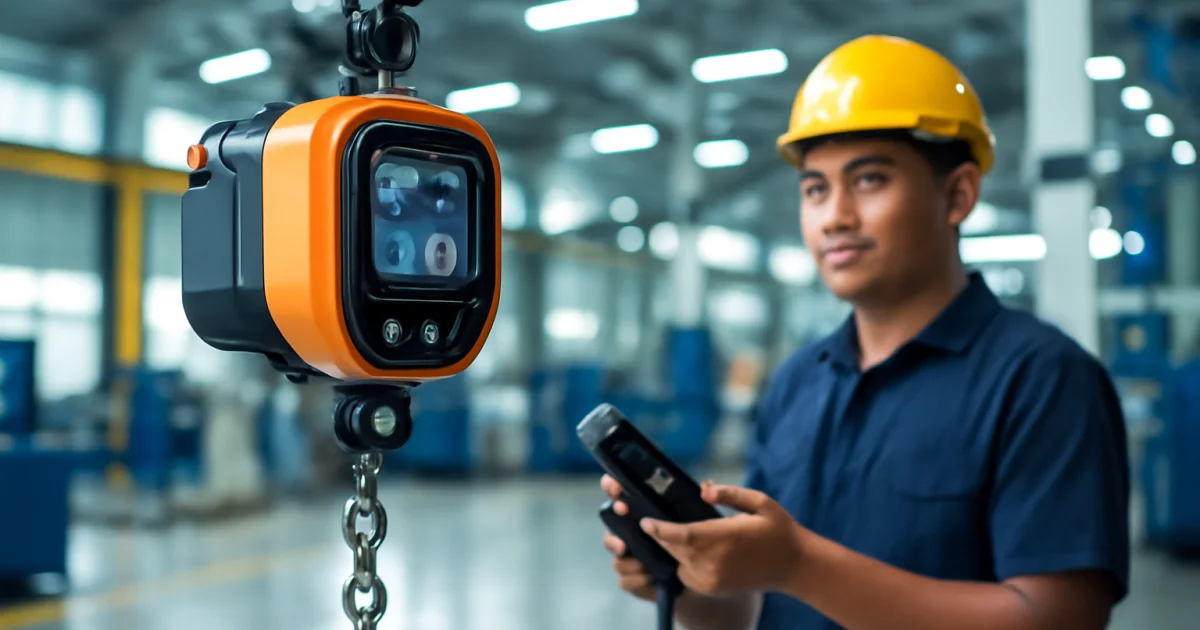
Latest Industry News: Innovations in Chain Hoist Technology for Malaysia’s Factories
In the rapidly evolving landscape of industrial manufacturing, staying ahead means investing in the latest technological advancements. For factories in Malaysia, the shift towards smarter, safer, and more efficient material handling equipment has made chain hoists and related lifting systems a focal point of innovation. This article unveils the latest industry news and practical developments in chain hoist technology, giving Malaysian manufacturers, engineers, and facility managers a comprehensive guide to the future of industrial lifting.
Transforming Factory Operations: The New Era of Chain Hoists
Modern factories demand lifting solutions that are not only powerful but also precise, safe, and adaptable to changing production needs. Recent innovations in chain hoist technology are delivering these benefits through digitalization, automation, and improved engineering. Whether moving heavy machinery, raw materials, or finished goods, today’s chain hoists are transforming productivity across sectors such as automotive manufacturing, engineering, and fabrication.
The adoption of advanced lifting systems also allows factories to meet the demands of increasingly complex production lines. For instance, in multi-model automotive plants, quick-change hoist attachments and programmable controls allow for seamless switching between different product types and assembly processes, making these systems a cornerstone for lean manufacturing and just-in-time operations.
Smart Automation: Digital Controls and Intelligent Monitoring
One of the most significant trends in the chain hoist Malaysia market is the integration of smart automation features. Leading manufacturers now offer electric chain hoists equipped with programmable digital controllers, enabling precise load management and movement sequencing. These smart hoists can be linked to plant management systems, allowing for real-time monitoring of usage, maintenance schedules, and safety performance. With digital load displays, remote operation, and fault diagnostics, factories benefit from reduced downtime and increased transparency.
For example, a Malaysian automotive assembly plant recently upgraded to a networked chain hoist system that automatically adjusts lifting speeds and monitors load weights, streamlining their component transfer process and reducing operator fatigue. Such automation has become increasingly important for meeting production targets while maintaining the highest safety standards.
Additionally, modern automation software can generate detailed reports on hoist performance, usage cycles, and maintenance alerts. This data-driven approach empowers facilities to optimize staff allocation, reduce unnecessary wear, and predict when interventions are needed—minimizing unplanned shutdowns and extending equipment lifespan. As a result, factories can build a continuous improvement culture based on evidence rather than assumptions.
Safety Upgrades: Advanced Features for Operator Protection
Safety remains a top priority for any lifting operation. New-generation chain hoists are designed with built-in safety features, including overload protection, emergency stop functions, and anti-drop mechanisms. Many electric chain hoists now incorporate limit switches and automatic braking systems to prevent over-travel and uncontrolled descent, protecting both the load and the workforce.
Additionally, regular inspection and certification by professional engineers have become standard practice, ensuring compliance with Malaysian regulations and international safety guidelines. Factory operators are increasingly investing in operator safety training and preventive maintenance contracts to further minimize risk and ensure reliable performance.
Proactive safety culture also requires clear signage, regular drills, and easy access to emergency procedures. Some forward-thinking Malaysian factories have implemented digital logging systems for incident reporting and near-miss analysis, using these insights to continually refine their safety protocols. By involving frontline workers in safety reviews, companies can catch potential hazards early and foster a sense of shared responsibility.
Greater Lifting Capacity: Innovations in Wire Rope and Electric Chain Hoists
Factories with demanding lifting requirements are turning to advanced wire rope hoist and electric chain hoist systems offering higher load capacities and improved durability. Modern wire rope hoists for cranes feature robust gearboxes, precision-engineered wire ropes, and enhanced heat dissipation for continuous operation. This makes them ideal for automotive and heavy engineering applications, where the safe handling of large machinery and structural components is essential.
In the context of Malaysia’s manufacturing sector, these innovations allow factories to handle a wider variety of loads, from precision parts to heavy assemblies, increasing flexibility and throughput on the production floor.
Choosing the right hoist for your application involves more than just capacity. Consider duty cycle, ambient environment, and required lifting speed. For example, food and beverage facilities may prioritize corrosion-resistant finishes and stainless-steel chains, while heavy engineering shops focus on high-torque motors and advanced heat management. Consulting with a hoist specialist ensures the right fit—balancing upfront investment with long-term performance and safety.
Energy Efficiency and Sustainability in Hoist Technology
As Malaysian industries prioritize sustainability, manufacturers are seeking equipment that minimizes energy consumption and environmental impact. The latest chain hoists are engineered for high efficiency, utilizing low-loss motors and regenerative braking systems to recover energy during operation. Automated standby modes and adaptive speed controls further reduce power usage when the hoist is idle or lightly loaded.
These innovations not only contribute to lower operational costs but also support corporate sustainability goals, making them a smart choice for facilities aiming for green certifications or reduced carbon footprints.
Forward-thinking manufacturers are now assessing the entire lifecycle of their lifting equipment—from material sourcing and production to end-of-life recycling. Some suppliers offer take-back programs for old hoists, ensuring environmentally responsible disposal and encouraging the adoption of newer, greener models. By tracking energy savings and reporting on carbon emissions, facilities can demonstrate their commitment to ESG (Environmental, Social, and Governance) standards, appealing to investors and partners who prioritize responsible operations.
Customization and Modular Crane Systems
No two factories are alike, and today’s material handling needs are increasingly complex. The latest trend is the development of modular crane systems that can be tailored to specific site layouts and operational requirements. With customizable configurations such as overhead cranes, gantry cranes, and jib cranes, factories can optimize their workflow, maximize available space, and streamline movement between production zones.
Chain hoists and wire rope hoists can now be seamlessly integrated into these modular crane systems, supported by electric trolleys and remote-control solutions for precise horizontal and vertical movement. This flexibility is especially valuable for automotive manufacturers and fabrication shops where production lines and workpiece sizes frequently change.
For an in-depth guide on selecting the right crane system for your facility, read our Best Crane Systems For Automotive Assembly Lines In Malaysia.
When designing a modular crane system, it’s vital to involve production planners, safety officers, and maintenance teams early in the process. This cross-functional input helps identify workflow bottlenecks, pinch points, and future expansion needs. Many suppliers use 3D modeling and digital twin technology to simulate workflows and optimize layouts before installation, reducing costly changes and delays after deployment.
Goods Hoists and Vertical Transport Solutions
Beyond conventional lifting, goods hoists are gaining popularity in warehouses and multi-level factories across Malaysia. These systems provide safe, efficient vertical transportation of materials between floors, reducing manual handling and risk of injury. Modern goods hoist solutions feature automatic door interlocks, variable speed drives, and advanced safety sensors, making them suitable for both industrial and commercial environments.
Businesses can now choose between standard and customized goods hoist Malaysia options, depending on load type, frequency of use, and building constraints. Integration with building management systems and remote monitoring tools further enhances operational efficiency.
Case studies from logistics companies in Malaysia show that introducing goods hoists can reduce time spent on manual transport by up to 60%, freeing workers for higher-value tasks and reducing accident rates. When planning an installation, consider the size and weight of typical loads, floor-to-floor distances, and the need for redundancy or backup systems to ensure continuous operation during maintenance.
Integrated Power and Control Systems
Reliable power delivery and intuitive control are crucial for safe and efficient crane and hoist operation. Recent advances include the use of enclosed conductor rails, festoon cable systems, and industrial wireless remote controls. These technologies ensure consistent electrical supply, reduce cable wear, and enable operators to control cranes and hoists from a safe distance, even in challenging environments.
Smart control panels now offer real-time diagnostics and usage analytics, supporting predictive maintenance and rapid troubleshooting. This means less unscheduled downtime and more informed decision-making for maintenance teams.
When deploying wireless control systems, it’s important to assess signal coverage, interference risks, and cybersecurity protocols. Leading solutions encrypt communication and provide user authentication, preventing unauthorized access and accidental operation. Regular training for operators on new control systems ensures smooth adoption and reduces the risk of operational errors.
Maintenance, Upgrades, and After-Sales Support
Investing in advanced lifting technology is only beneficial when paired with reliable after-sales support. The leading providers in the Malaysian market, such as chainhoist.com.my, offer comprehensive maintenance and engineering services. These include 24-hour on-call support, emergency repairs, spare parts supply, and operator training.
Many factories now implement scheduled inspection and preventive maintenance programs, extending equipment lifespan and ensuring compliance with safety standards. Refurbishment and upgrading services are also available, allowing businesses to modernize existing equipment cost-effectively rather than replacing entire systems.
Developing a maintenance schedule should account for the hoist’s usage intensity, environmental conditions, and manufacturer recommendations. Digital maintenance logs and asset management software simplify record-keeping and enable trend analysis—helping managers identify recurring issues and justify investments in upgrades or replacements. Investing in staff training also pays dividends, as skilled operators and technicians are less likely to cause accidental damage or overlook early warning signs of failure.
Practical Examples: Innovations in Action
Consider an engineering firm in Selangor that recently adopted programmable electric chain hoists for their fabrication workshop. By automating repetitive lifting tasks and integrating hoist data with their production management software, they achieved a measurable improvement in output and a reduction in workplace incidents.
Similarly, an automotive component manufacturer in Penang upgraded to a wire rope hoist system with advanced overload sensors and wireless remotes. This allowed for precise lifting of heavy engine blocks, enhancing both safety and productivity. For more insights on hoist applications and maintenance, visit our Guide To Chain Hoists Types Applications And Maintenance.
Another example comes from a Johor logistics hub, which implemented a multi-level goods hoist system with remote monitoring. By tracking usage data, the facility optimized shift patterns, scheduled predictive maintenance, and reduced equipment downtime by 30%. Lessons from these success stories underline the value of aligning technology investments with operational goals and staff capabilities.
Actionable Steps for Malaysian Factories
- Evaluate Current Lifting Needs: Assess your facility’s load requirements, frequency of use, and space constraints to determine the right hoist technology.
- Prioritize Safety and Compliance: Invest in hoists with advanced safety features and schedule regular inspections by certified professionals.
- Embrace Automation: Consider upgrading to smart electric chain hoists or wire rope hoists with digital monitoring for enhanced efficiency.
- Plan for Maintenance: Establish preventive maintenance contracts and operator training programs to reduce unexpected downtime.
- Seek Expert Guidance: Work with experienced providers like chainhoist.com.my to design, install, and maintain tailored lifting solutions for your factory.
- Benchmark Against Peers: Compare your facility’s lifting performance and safety metrics with industry standards to identify improvement opportunities.
- Budget for Upgrades: Allocate funds for phased upgrades or retrofits, targeting the most critical areas first to maximize return on investment.
Conclusion: Future-Ready Lifting for Malaysian Industry
The latest innovations in chain hoist technology are reshaping the way Malaysia’s factories approach material handling, safety, and efficiency. From smart automation and modular crane systems to energy-saving designs and comprehensive after-sales support, today’s solutions empower manufacturers to compete at the highest level. Keeping pace with these advancements ensures that your facility remains productive, compliant, and ready for future growth in a dynamic industrial landscape.
To explore advanced lifting solutions, or to discuss your factory’s requirements, connect with the experts at chainhoist.com.my and discover how the right technology can drive your business forward.
Frequently Asked Questions
What are the main benefits of using the latest chain hoist technology in Malaysian factories?
The latest chain hoist technology offers increased efficiency, enhanced safety, and improved automation. Features like digital controls, real-time monitoring, and overload protection help factories optimize lifting operations, reduce downtime, and maintain compliance with safety regulations.
How do electric chain hoists differ from traditional manual hoists?
Electric chain hoists provide automated lifting with programmable controls, adjustable speeds, and greater lifting capacities compared to manual hoists. They reduce manual labor, improve safety through advanced features, and are ideal for frequent or heavy-duty industrial use.
Are wire rope hoists suitable for all types of factories?
Wire rope hoists are especially suited for factories needing to lift heavier loads or operate in demanding environments, such as automotive or heavy engineering industries. They offer higher load capacities and increased durability, but for lighter loads or more compact spaces, electric chain hoists may be more practical.
What maintenance is required for modern chain hoists and crane systems?
Regular maintenance includes periodic inspection, lubrication, checking for wear on chains or ropes, testing safety features, and ensuring electrical systems function properly. Many providers in Malaysia offer preventive maintenance contracts, operator training, and emergency repair services to maximize equipment lifespan and safety.
Can chain hoists be integrated into existing crane systems in Malaysian factories?
Yes, modern chain hoists are often designed to be compatible with various overhead, gantry, and jib crane systems. Modular designs and electric trolleys allow seamless integration and customization to suit specific factory layouts and production needs.
Upgrade Your Factory with Advanced Chain Hoist Solutions
Ready to transform your material handling with the latest chain hoist, wire rope hoist, and crane technologies? chainhoist.com.my delivers tailored solutions for Malaysian manufacturers, from smart lifting systems to professional maintenance and operator training. Partner with us for reliable equipment, expert support, and a safer, more efficient facility.