

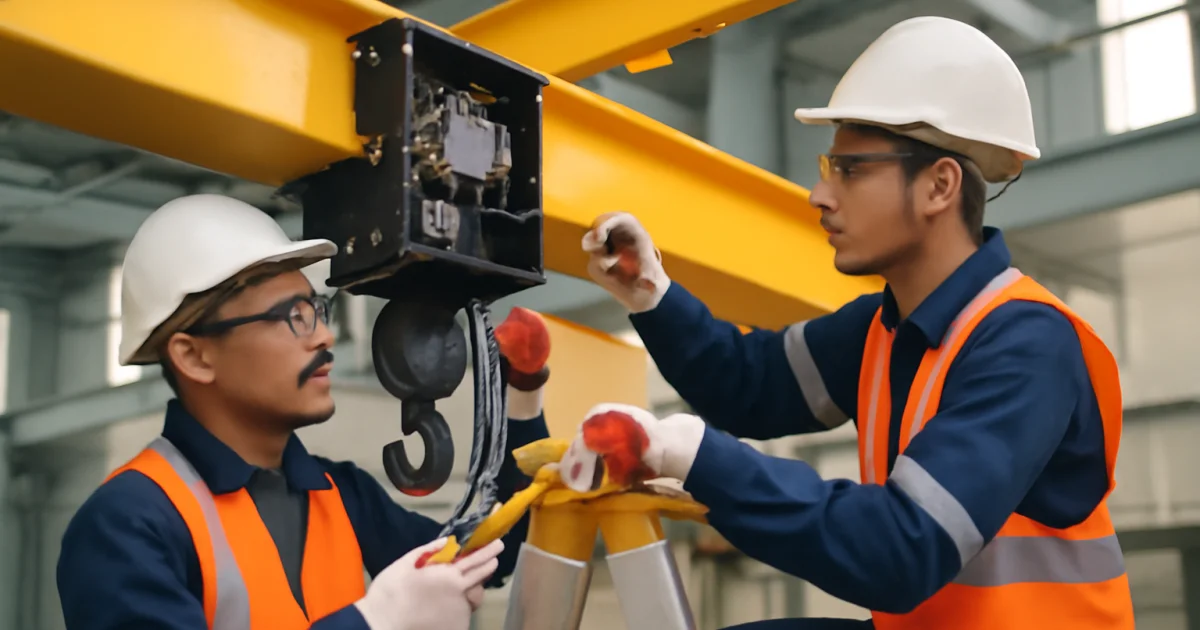
How to Install and Maintain Overhead Cranes: A Practical Tutorial for Malaysian Factories
Overhead cranes are essential components in many Malaysian factories, supporting heavy lifting, efficient material handling, and safer operations. Whether you’re planning a new installation or seeking to extend the lifespan of your existing system, understanding the installation and maintenance process is crucial. This tutorial provides detailed, actionable steps for engineering teams, facility owners, and maintenance professionals to successfully manage overhead crane systems in Malaysia.
1. Understanding Overhead Crane Systems
Before beginning installation, it’s important to grasp the core components and types of overhead cranes available. Common systems include single-girder and double-girder cranes, with hoists powered by electric chain or wire rope mechanisms. Malaysian factories often require custom solutions to fit unique building layouts, load requirements, and safety standards.
- Bridge: Main horizontal beam spanning the workspace.
- Hoist: The lifting device, either electric chain hoist or wire rope hoist.
- End Carriages: Support the bridge and allow movement across rails.
- Controls: Pendant, wireless remote, or cab controls for operator safety and precision.
For an in-depth look at hoists and their maintenance, see our Guide to Chain Hoists.
Types of Overhead Cranes Commonly Used in Malaysia:
- Single Girder Cranes: Suitable for lighter loads and smaller workspaces, offering cost efficiency and ease of installation.
- Double Girder Cranes: Ideal for heavy-duty applications, providing greater lifting height and capacity.
- Semi-Gantry and Gantry Cranes: Used where overhead runways are impractical, often for outdoor or partially covered work areas.
- Monorail Systems: Best for repetitive linear movements, often used in assembly lines or warehouses.
Choosing the right crane system involves understanding workflow, frequency of use, and the types of loads handled. Consulting with a crane specialist helps ensure the optimal match between system type and facility requirements.
2. Pre-Installation Planning and Site Preparation
Proper planning is vital to ensure a safe and efficient installation. Follow these steps:
- Assess Load Requirements: Determine maximum load, type of materials, and cycle frequency your crane will handle.
- Site Survey: Measure your facility’s dimensions, check for obstructions, and evaluate structural support for crane installation.
- Compliance Review: Ensure your plans meet Malaysian safety certifications and DOSH (Department of Occupational Safety and Health) standards.
- Power Supply and Controls: Plan electrical connections, control stations, and emergency stop mechanisms.
- Crane Selection: Choose between electric chain hoists or electric wire rope hoists based on required capacity, speed, and application.
Practical Example: A Johor-based fabrication company planning a 5-ton overhead crane first performed a structural analysis, confirmed ceiling clearance, and consulted a crane specialist to select the right system for their workflow.
Key Considerations for Pre-Installation:
- Structural Integrity Assessment: Engage a professional engineer to review the building’s structure for load-bearing capacity and potential reinforcements.
- Environmental Factors: Consider ventilation, humidity, and temperature, especially if your factory processes generate dust or corrosive vapors.
- Workflow Mapping: Map existing material flow and storage zones to avoid bottlenecks after crane installation.
- Future Expansion: Factor in potential growth, such as higher capacity needs or additional cranes, to avoid costly retrofits.
3. Step-by-Step Overhead Crane Installation Process
Crane installation is a critical project that should always be performed by trained professionals. The following steps outline the typical workflow:
- Foundation and Support: Verify that supporting structures are reinforced and level. Install runway beams if necessary.
- Rail and End Carriage Placement: Secure rails to their supports. Position end carriages to ensure smooth bridge movement.
- Bridge Assembly: Lift and secure the bridge beam onto the end carriages. Check alignment and level.
- Hoist and Trolley Installation: Mount the hoist (electric chain or wire rope type) onto the trolley and attach it to the bridge.
- Power & Control Wiring: Connect electrical supply, install festoon or conductor rail systems, and set up control stations.
- Safety Systems: Install limit switches, anti-collision devices, and emergency stop features.
- Testing and Commissioning: Perform initial load tests, motion checks, and safety inspections before operational handover.
Practical Example: During a recent installation in Penang, a maintenance team used a mobile crane to safely position a 10-metre bridge beam and completed electrical wiring within two days while following all local safety protocols.
Common Mistakes to Avoid During Installation:
- Skipping structural verification, leading to potential overloading or future structural failures.
- Improper alignment of rails or beams, resulting in premature wear and inefficient crane travel.
- Neglecting to test all safety systems before handover, increasing operational risks.
It’s recommended to develop a detailed project schedule, including a checklist for each installation phase, to ensure nothing is overlooked. Documenting each step improves accountability and simplifies future upgrades or inspections.
4. Essential Safety Measures During Installation
Safety must be a top priority throughout the installation process. Adhering to best practices protects both workers and equipment:
- Ensure only certified technicians and riggers are involved in lifting and assembly.
- Wear appropriate PPE—helmets, gloves, harnesses, and safety shoes.
- Lockout/tagout all electrical sources during wiring and adjustments.
- Use load-rated lifting slings and hardware when handling heavy crane parts.
- Conduct a safety briefing before each major installation phase.
- Inspect all crane components for damage before assembly.
By following these precautions, Malaysian factories can reduce risks and avoid costly incidents during crane setup.
Additional Safety Checks:
- Verify that all tools and lifting equipment are in good working order and certified for use.
- Establish clear communication protocols via hand signals or radios during lifts.
- Designate exclusion zones so only authorized personnel are within the work area during critical lifts.
- Keep emergency medical kits and contacts readily accessible at the installation site.
Case Study: A manufacturing plant in Shah Alam implemented a full-time safety supervisor during their crane installation, which resulted in zero incidents and early project completion.
5. Routine Maintenance Procedures for Overhead Cranes
Proper maintenance ensures long-term reliability, minimizes downtime, and complies with Malaysian safety laws. Here’s a practical routine maintenance program:
- Daily Inspections: Operators should check for unusual noises, visible wear, and proper functioning of controls and limit switches at the start of each shift.
- Weekly Checks: Inspect wire ropes or chains for fraying, corrosion, or deformation. Lubricate moving parts as recommended by the manufacturer.
- Monthly Inspections: Examine the bridge, end carriages, and trolley wheels for alignment, cracks, or excessive wear. Test the emergency stop and limit switches.
- Quarterly Servicing: Have certified technicians perform load testing, electrical system checks, and detailed inspection of all hoist and safety mechanisms.
- Record Keeping: Maintain a comprehensive log of all inspections, repairs, and parts replacements for compliance and future reference.
Practical Example: A large warehouse in Klang reduced unplanned downtime by assigning a dedicated technician to weekly hoist chain inspections and maintaining a digital record of all service activities.
Advanced Maintenance Tips:
- Implement predictive maintenance using sensors and IoT monitoring to detect issues such as overheating, vibration, or excessive motor load before failure occurs.
- Schedule annual full-system audits by third-party inspectors to meet insurance and regulatory requirements.
- Train multiple staff members in basic troubleshooting and minor repairs to ensure coverage during absences or shift changes.
- Keep critical spares—such as fuses, limit switches, and brake pads—on hand to reduce repair times.
Checklist for Maintenance Record-Keeping:
- Date and type of inspection/maintenance performed
- Name of inspector or technician
- Parts replaced or serviced
- Observed issues and corrective actions
- Next scheduled maintenance date
6. Troubleshooting Common Crane Issues
Even with the best maintenance, issues can arise. Here’s how to address common problems:
- Crane Fails to Start: Check main power, control pendant, and emergency stop status. Inspect for tripped breakers or blown fuses.
- Abnormal Noises: Investigate for loose bolts, worn gears, or lack of lubrication. Address immediately to avoid further damage.
- Hoist Drifting or Dropping Loads: Inspect brake systems and load limiters. Never operate if braking is compromised.
- Jerkiness or Uneven Travel: Examine trolley wheels, rail alignment, and end stops. Look for obstructions or misalignment.
- Electrical Faults: Utilize a qualified electrician for wiring or control panel issues—never bypass safety circuits.
Prompt intervention and professional assistance can prevent minor issues from becoming major hazards. For details on various crane and hoist systems, explore our pricing breakdown and system selection guides.
Scenario Analysis: If a crane repeatedly stops during operation, examine the load spectrum—frequent overloading or improper use can trigger safety shut-offs. In one Selangor facility, retraining operators to follow rated capacities reduced shutdowns and equipment stress.
Always document incidents and corrective steps taken. This helps in identifying recurring problems and implementing long-term solutions.
7. Upgrading and Refurbishing Existing Crane Systems
Many Malaysian factories operate cranes that are years—or even decades—old. Rather than full replacement, consider modernizing your system for improved performance and compliance:
- Hoist Upgrades: Swap out outdated chain hoists or wire rope hoists for new models with higher capacity, smart controls, or better energy efficiency.
- Control Enhancements: Upgrade to wireless remote controls, variable frequency drives, or advanced safety monitoring systems.
- Structural Refurbishment: Reinforce or recondition bridge beams, end carriages, and runways as needed.
- Certification: Engage with a professional engineer for recertification after major upgrades or modifications.
Practical Example: A Selangor automotive manufacturer modernized an existing crane by installing a new electric wire rope hoist and wireless control system, resulting in faster cycle times and improved operator safety.
Benefits of Upgrading:
- Enhanced safety features such as overload protection and anti-sway technology reduce accident risk.
- Modern controls improve precision and allow for integration with factory automation systems.
- Energy-efficient motors and components lower operating costs over time.
- Extended equipment lifespan and greater reliability reduce unplanned downtime.
Case Study: A chemical processing facility in Penang increased productivity and compliance by retrofitting its 15-year-old overhead crane with variable frequency drives and IoT-enabled diagnostics, enabling real-time monitoring and remote troubleshooting.
8. Partnering with a Reliable Crane Supplier in Malaysia
Working with an experienced crane supplier in Malaysia ensures that installation and maintenance are performed to the highest standard. Choose a supplier with:
- Proven industry experience and technical expertise.
- Comprehensive service offerings: supply, installation, commissioning, preventive maintenance, and emergency repairs.
- 24-hour on-call support for critical equipment breakdowns.
- Multi-brand parts and service support to handle diverse crane and hoist systems.
- Customized service contracts and operator training programs.
For a detailed checklist of what to look for in a reliable partner, refer to our Crane System Checklist.
How to Evaluate Potential Suppliers:
- Request references and case studies demonstrating successful projects.
- Verify certifications, such as compliance with Malaysian DOSH standards and ISO accreditation.
- Assess their technical support response time and parts availability.
- Review their after-sales support structure, including preventive maintenance and emergency repair agreements.
- Ensure they offer operator and maintenance training tailored to your specific crane system.
Supplier Comparison Example: When comparing two suppliers for a major upgrade, a Johor-based logistics company scored higher marks for a provider offering 24/7 tech support, multi-brand expertise, and digital maintenance tracking, which became decisive factors in their selection.
Conclusion
Installing and maintaining overhead cranes in Malaysian factories is an investment in safety, productivity, and long-term operational efficiency. By following structured planning, precise installation steps, rigorous safety protocols, and a disciplined maintenance routine, you can ensure your crane system delivers years of reliable service. Whether upgrading an existing system or starting fresh, partnering with the right supplier is key to success. For more guidance on Overhead Crane Malaysia solutions, contact a trusted industry specialist.
Frequently Asked Questions
What are the main differences between electric chain hoists and electric wire rope hoists for overhead cranes?
Electric chain hoists are generally used for lighter loads, have a compact design, and are easier to install and maintain. Electric wire rope hoists are suited for higher capacities and frequent use, offering smoother lifting and greater durability. The choice depends on your factory’s load requirements and operational needs.
How often should overhead cranes be inspected and maintained in Malaysian factories?
Daily visual checks should be performed by operators, with weekly and monthly inspections for critical parts like hoists, chains, ropes, and controls. Quarterly servicing by certified technicians is recommended to ensure compliance with Malaysian safety regulations and to maintain optimal crane performance.
What safety precautions should be taken during overhead crane installation?
Only trained and certified personnel should handle installation. All workers must wear appropriate personal protective equipment (PPE), follow lockout/tagout procedures for electrical work, and conduct regular safety briefings. Always inspect equipment for defects before assembly and comply with Malaysian DOSH standards.
Can an old overhead crane system be upgraded instead of replaced?
Yes, many existing overhead cranes in Malaysia can be modernized by replacing worn hoists, upgrading controls, reinforcing structural components, or adding new safety systems. Upgrading is often more cost-effective than full replacement and can extend the crane’s operational life.
Who should I contact for emergency repairs or technical support for overhead cranes in Malaysia?
It’s best to partner with a reputable crane supplier in Malaysia that offers 24-hour on-call support, spare parts availability, and experienced technicians. Companies like chainhoist.com.my provide integrated installation, maintenance, repair, and emergency response services.
Ensure Safe and Reliable Overhead Crane Operations
Looking for expert installation or maintenance of overhead cranes in Malaysia? Trust chainhoist.com.my for complete solutions, including electric chain hoists, wire rope hoists, crane systems, and 24-hour support. Our experienced team delivers tailored services, operator training, and comprehensive after-sales care for factories and industrial facilities nationwide.