

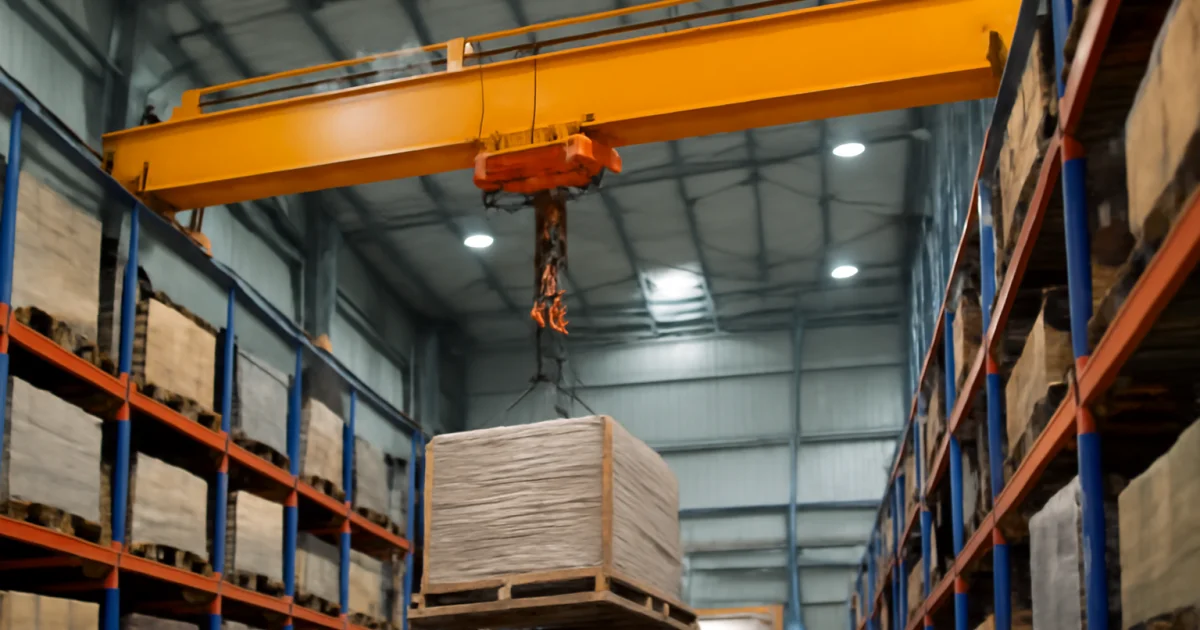
Why Overhead Cranes are Essential for Malaysian Warehouses: An Industry Perspective
In the rapidly evolving landscape of logistics and warehousing in Malaysia, the pressure to move goods efficiently, safely, and reliably has never been greater. As warehouses and distribution centres scale operations to meet growing consumer demands and supply chain complexities, the need for dependable material handling equipment becomes crucial. Among these, the overhead crane stands out as an essential solution, transforming the way warehouses operate across the country.
The Role of Overhead Cranes in Modern Malaysian Warehouses
Overhead cranes are not just heavy-duty machines—they are the backbone of efficient material movement in contemporary warehouses. They allow operators to lift, lower, and transport loads across vast warehouse spaces with minimal manual intervention. In Malaysia’s competitive logistics sector, where space utilization and time efficiency dictate profitability, these systems provide a critical edge.
Whether it’s moving palletized goods, large machinery, or heavy inventory, overhead cranes minimize manual lifting, reduce workplace injuries, and streamline workflow. This is particularly significant for facilities handling bulky or high-volume items, where traditional forklifts or pallet jacks may fall short.
Key Benefits: Efficiency, Safety, and Cost Reduction
The implementation of overhead cranes brings several direct advantages to warehouse operators:
- Maximized Space Utilization: With the ability to move goods above the working floor, warehouses can use vertical space, freeing up valuable square footage for storage or operational activities.
- Enhanced Safety: By reducing manual handling, the risk of injuries and product damage decreases. Cranes are designed with safety features such as overload sensors, emergency stops, and anti-collision systems.
- Increased Productivity: Automated lifting and precise load control speed up material transfer, allowing workers to focus on value-added tasks.
- Lower Long-Term Costs: While the initial investment in an overhead crane Malaysia system can be significant, reduced labor costs, fewer workplace accidents, and minimal product damage result in lower lifetime operating expenses.
Common Warehouse Challenges Solved by Overhead Cranes
Warehouses in Malaysia face a range of operational challenges that can impact both profitability and safety. Overhead cranes directly address many of these pain points:
- Congested Aisles: Traditional ground-based equipment can clog up warehouse aisles, slowing down operations. Overhead cranes clear the ground space and allow simultaneous material movements above ongoing activities.
- Handling Heavy and Bulky Loads: Items that are difficult or unsafe to move with manual labor or forklifts can be lifted safely and efficiently with the right crane system.
- Efficient Order Fulfillment: As e-commerce and just-in-time logistics increase in Malaysia, speed and accuracy in order picking are vital. Overhead cranes enable rapid, precise movement of inventory, supporting faster order cycles.
- Reducing Manual Errors: Automation in lifting and positioning reduces the risk of human error, maintaining inventory integrity and reducing rework.
Types of Overhead Cranes Suited for Malaysian Warehouses
Malaysia’s industrial sector utilizes a range of crane systems, each designed to meet specific material handling needs:
- Single Girder Overhead Cranes: Ideal for light to medium loads, these cranes are cost-effective and commonly used in small to mid-sized warehouses.
- Double Girder Overhead Cranes: Suited for heavy-duty applications, they offer higher lifting capacities and broader spans, making them perfect for large distribution centres.
- Gantry and Portal Cranes: Useful for outdoor yards or warehouses without sufficient building support for overhead runways.
- Jib Cranes: Excellent for localized lifting tasks near workstations or assembly lines. For further details on jib crane applications, see our Jib Cranes Malaysia guide.
Understanding these types helps facility managers choose the right system based on load requirements, available space, and operational goals. Comprehensive site assessments and consultations with crane specialists are recommended before making a final decision.
Integration with Other Lifting Solutions
Overhead cranes work seamlessly with other material handling equipment such as electric chain hoists, wire rope hoists, and goods hoists. For instance, electric chain hoists are commonly paired with overhead systems to provide precise lifting for varied load sizes. Additionally, goods hoists are essential for moving inventory vertically between floors, enabling multi-level warehousing efficiency.
Choosing the right combination of crane and hoist systems ensures that even the most complex material flows are managed smoothly, reducing bottlenecks and downtime.
Step-by-Step: How to Choose the Right Overhead Crane
Making the correct choice involves several important steps to ensure the system matches your warehouse needs:
- Define Your Load Requirements: Calculate the heaviest loads and the types of materials you need to move routinely.
- Measure Your Space: Map out the available floor space, ceiling height, and any obstacles such as columns or mezzanines.
- Identify Workflow Patterns: Track how goods move through your warehouse to determine the best crane configuration for your unique material flow.
- Assess Frequency and Duty Cycle: Determine how often the crane will be used and select components rated for your operational intensity.
- Plan for Integration: Consider compatibility with existing equipment, such as conveyors, hoists, or automated storage systems.
- Consult Experts: Engage reputable suppliers who can provide engineering advice, site surveys, and tailored recommendations.
By following these steps, you ensure that your investment delivers maximum productivity and safety from day one.
Industry Examples: Real-World Impact on Warehouse Performance
Consider a mid-sized Malaysian distribution centre that recently upgraded its manual lifting processes to incorporate an overhead crane with an electric wire rope hoist. The results were immediate: labor costs dropped, incidents of product damage were reduced, and throughput increased by over 20%. In another example, a logistics provider servicing e-commerce clients used a double girder crane to automate the movement of heavy inbound shipments, freeing up staff to focus on quality control and order fulfillment.
These practical applications underscore the transformative power of overhead cranes in a warehouse environment. From automotive parts suppliers to large-scale e-commerce fulfillment centers, the right lifting solution is a game-changer for operational excellence.
Additionally, a leading electronics manufacturer in Penang implemented a network of overhead cranes and electric chain hoists to automate the transfer of delicate, high-value components between assembly lines and storage zones. This not only reduced handling damage but also improved inventory tracking and on-time delivery rates. Such successes highlight how investing in the right material handling systems delivers measurable returns across diverse industries in Malaysia.
Common Mistakes to Avoid When Implementing Overhead Cranes
While the benefits are significant, several common pitfalls can undermine a successful crane installation. Avoid these mistakes to ensure a smooth and cost-effective integration:
- Underestimating Load Requirements: Choosing a crane with insufficient capacity can lead to equipment failure, downtime, and safety hazards. Always build in a safety margin above your maximum load.
- Overlooking Structural Needs: Failing to assess building structure or runway support can result in expensive retrofits or unsafe operations.
- Ignoring Operator Training: Proper training is essential for safe, efficient crane use. Skimping on training leads to accidents and costly errors.
- Neglecting Maintenance Planning: A lack of preventive maintenance increases the risk of unplanned breakdowns and extends downtime. Establish a regular service schedule from the start.
- Not Considering Future Expansion: Select systems that can be upgraded or expanded as your warehouse grows. Modular designs offer flexibility for future needs.
Safety and Compliance: Meeting Malaysian Standards
Warehouse safety is paramount, especially given the strict regulatory environment in Malaysia. Overhead cranes are built to comply with local and international safety standards, often requiring regular inspection, maintenance, and operator training. A reliable supplier, such as chainhoist.com.my, provides not only the equipment but also comprehensive after-sales support, including safety inspections, spare parts, and professional certification to ensure compliance and peace of mind.
To remain compliant, warehouse managers should:
- Schedule periodic safety audits and inspections as required by Malaysian Department of Occupational Safety and Health (DOSH) regulations.
- Implement ongoing operator training and certification programs.
- Maintain a log of maintenance activities, inspections, and repairs.
- Ensure all safety devices and emergency stop features are tested regularly.
Proactive compliance not only prevents costly fines and shutdowns but also creates a safer work environment for all employees.
Choosing the Right Overhead Crane for Your Facility
Selecting the right overhead crane involves careful consideration of several factors:
- Load Capacity: Assess the heaviest loads you need to lift and select a system that exceeds this capacity with a safety margin.
- Span and Height: Match the crane’s span and lifting height to your warehouse dimensions and operational needs.
- Duty Cycle: Consider how often the crane will be used—high-frequency usage requires more robust components.
- Integration: Ensure compatibility with existing equipment, such as electric trolleys or remote control systems.
For a more detailed comparison of overhead crane types and their suitability for different projects, consult our in-depth guide on overhead vs. monorail cranes.
Long-Term Value: Maintenance, Upgrades, and Support
The value of an overhead crane extends beyond initial installation. Regular maintenance, timely upgrades, and access to spare parts are critical to ensuring reliability and extending system lifespan. Partnering with an experienced provider offering 24-hour support and tailored service contracts can help avoid costly downtime and keep warehouse operations running smoothly.
Refurbishment and upgrading also offer cost-effective alternatives to replacement, allowing warehouses to adapt to changing material handling needs without major capital expenditure. For insights into maintenance and engineering services, visit our pricing and maintenance resource.
Best practices for ongoing value include:
- Setting up a preventive maintenance schedule with documented checks and service intervals.
- Stocking critical spare parts to minimize downtime during repairs.
- Requesting periodic system audits from your supplier to identify areas for improvement or upgrades.
- Training in-house maintenance teams to perform minor adjustments safely and efficiently.
Checklist: Preparing Your Warehouse for an Overhead Crane Installation
- Conduct a site survey and structural assessment.
- Map out workflow and material movement patterns.
- Define load, lifting height, and span requirements.
- Plan for future expansion or additional equipment integration.
- Develop a training and safety program for crane operators.
- Establish a maintenance and inspection plan with your supplier.
Conclusion: The Essential Role of Overhead Cranes in Malaysian Warehousing
From maximizing warehouse space and boosting productivity to ensuring safety and regulatory compliance, overhead cranes are indispensable in modern Malaysian warehouses. Their integration with other material handling systems and the long-term support offered by reputable suppliers make them a strategic investment for any facility seeking to optimize operations.
In our considered opinion, as the warehousing sector continues to evolve, the adoption and modernization of overhead crane systems will remain central to competitiveness and operational success in Malaysia. Investing in the right overhead crane solution is not just a practical necessity—it is fundamental to future-proofing your warehouse for years to come.
Frequently Asked Questions
What are the main advantages of using overhead cranes in Malaysian warehouses?
Overhead cranes provide significant benefits such as maximizing vertical storage space, increasing operational efficiency, improving workplace safety by reducing manual lifting, and minimizing product damage. They also streamline workflow, lower long-term labor costs, and help warehouses adapt to growing material handling demands.
How do I choose between a single girder and double girder overhead crane?
Single girder overhead cranes are typically suitable for lighter loads and smaller spans, making them ideal for most small to medium warehouses. Double girder cranes offer higher lifting capacities and wider spans, making them more appropriate for large distribution centres or heavy-duty applications. The choice should be based on your load requirements, available space, and operational needs.
Can overhead cranes be integrated with other lifting equipment like electric chain hoists or wire rope hoists?
Yes, overhead cranes are often integrated with electric chain hoists, wire rope hoists, and electric trolleys to enhance lifting versatility and precision. This integration enables warehouses to move various loads safely and efficiently. For specialized applications, consult with an experienced supplier to ensure compatibility and optimal performance.
What maintenance is required to keep overhead cranes operating safely in Malaysia?
Routine maintenance for overhead cranes includes regular inspections, lubrication of moving parts, checking safety features, and replacing worn components. Compliance with Malaysian safety standards often requires periodic professional inspections and certification. Reliable suppliers offer preventive maintenance services, emergency repairs, and safety training for operators.
What is an electric wire rope hoist and how is it used with overhead cranes?
An electric wire rope hoist is a lifting device powered by electricity, designed to handle heavier loads with greater speed and precision compared to chain hoists. It is commonly installed on overhead cranes for applications requiring high lifting capacities, such as moving machinery, heavy pallets, or large equipment in warehouses and factories.
Upgrade Your Warehouse with Expert Overhead Crane Solutions
Ready to transform your warehouse operations with a reliable overhead crane system? chainhoist.com.my offers comprehensive solutions—including supply, installation, maintenance, and 24-hour support—to meet your unique material handling needs. Benefit from decades of industry experience, skilled technical support, and tailored service contracts that keep your business moving safely and efficiently. Contact our team today to discuss the right overhead crane or hoist system for your facility.