

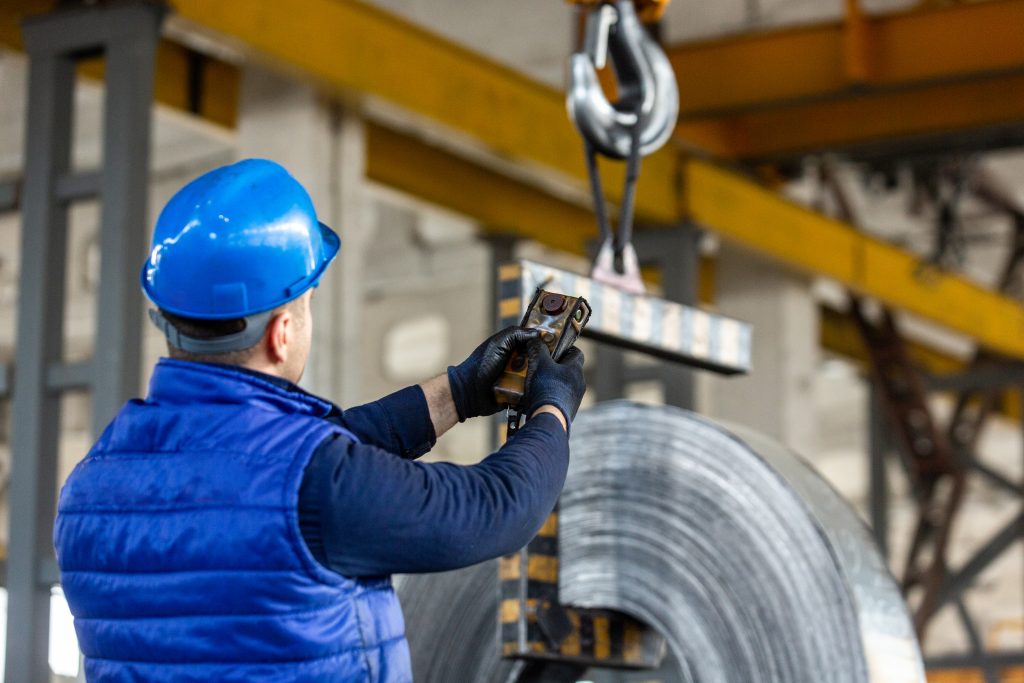
Choosing Between Manual and Electric Chain Hoists
Whether you’re lifting engines, shifting pallets, or managing assembly lines, selecting the right chain hoist is a critical decision. And let’s be honest standing in front of a catalog trying to pick between a manual chain hoist and an electric chain hoist can feel a bit overwhelming.
Here’s the guide to make confident, informed choices that align with your workflow, budget, and safety standards.
Manual Chain Hoist
A manual chain hoist, often called a hand chain block, uses physical force—your own muscle power—to lift loads. It’s a classic, no-fuss tool.
| ✅ Pros: | ❌ Cons: |
|---|---|
| No electricity required | Slower lifting speed |
| Low initial cost | Operator fatigue over long shifts |
| Portable and easy to set up | Limited to lighter or infrequent lifting |
| Minimal maintenance |
Best for: Small workshops, mobile use, or environments where power isn’t available.
Electric Chain Hoist
The electric chain hoist takes the physical strain out of the job by automating the lifting process. With motorized controls, it’s fast, accurate, and perfect for repetitive tasks.
| ✅ Pros: | ❌ Cons: |
|---|---|
| No electricity required | Slower lifting speed |
| Low initial cost | Operator fatigue over long shifts |
| Portable and easy to set up | Limited to lighter or infrequent lifting |
| Minimal maintenance |
Best for: Industrial production lines, warehouses, logistics centers, and heavy-load handling.
Chain Hoist Comparison: Manual vs Electric Chain Hoist
| ✅ Pros: | ❌ Cons: |
|---|---|
| No electricity required | Slower lifting speed |
| Low initial cost | Operator fatigue over long shifts |
| Portable and easy to set up | Limited to lighter or infrequent lifting |
| Minimal maintenance |
Still unsure how to decide?
- How often will I use the hoist?
- What’s the maximum weight I need to lift?
- Do I have access to a power source at my site?
- Is speed and precision a critical factor?
Maintenance and Lifespan
Both hoist types require care—but the approach differs:
- Manual chain hoists need basic inspections, lubrication, and occasional load tests.
- Electric chain hoists require more thorough electrical checks and motor servicing but offer longer lifespan with consistent use.
Thus, manual or electric? There’s no one-size-fits-all answer. But by understanding your workflow and lifting demands, you can make the smartest, safest, most cost-effective choice for your operation.
Match the Tool to the Task
Reach out to us for a personalized quote or demo today!
At Power Tiek, we’re more than suppliers—we’re lifting specialists.
Need help choosing? We’ll guide you every step of the way.
Disclaimer Statement
We hope you found this article informative. Our content is intended for general informational purposes only and does not constitute advice or necessarily reflect the full range of services offered by Power Tiek Sdn Bhd
Readers are advised to consult with a qualified industry professional and contact our experts for crane recommendations specific to their individual project needs. While we strive for accuracy and completeness in our blog posts, we cannot guarantee they are error-free. Power Tiek Sdn Bhd assumes no responsibility for any errors or omissions.